Pop music: The genre everyone thinks they know
It's fun, it's upbeat, it's everywhere. Pop music is the genre that everyone's heard, whether they wanted to or not.


Pop music is more than catchy tunes and lyrics you can sing along to — the genre has absolutely dominated the charts over the past seventy years. But how did it come into being, what makes a pop song and who are the biggest artists?
The history of pop music
Where did pop music come from?
Pop music (which is probably short for popular music) originated in the mid-1950s in the United States and United Kingdom. It draws on a range of genres, most notably rock and roll, the blues and traditional pop, a style of music that consisted of Broadway showtunes, jazz songs and the Great American Songbook.

Technology has always had an impact on pop. In the mid-20th century, widespread recording and playback transformed music from a live medium to a recorded one, making it portable and more accessible to the average person.
Pop's biggest artists throughout the decades
Each decade saw unique styles of music, each with their own defining artists. The 1960s saw artists experimenting with different techniques, with pioneers in rock/pop such as The Beatles (the bestselling band of all time), folk pop artists like Simon & Garfunkel and Motown groups like The Supremes.
In the 1970s, disco music was booming, led by artists like Donna Summer. The 1974 Eurovision Song Contest launched ABBA to international stardom, while Elton John became the decade's biggest-selling solo artist.

The 1980s saw a wave of new pop subgenres, including synthpop (characterized by the synthesizer), dance pop and indie pop. Big artists included Michael Jackson, Prince, Whitney Houston and Madonna.
In the 1990s, pop music was influenced by a range of genres. Pop punk became mainstream thanks to bands like blink-182, while pop rock had a moment with artists like Alanis Morissette and Sheryl Crow. Teen pop (marketed to teenagers) was also all the rage in the late 1990s — think groups like *NSYNC, S Club 7, B*Witched and Hanson.
The early 2000s were big for singers going it alone: Christina Aguilera, Britney Spears and Justin Timberlake were huge, and Beyoncé went solo, leaving Destiny's Child and going on to become one of the most successful artists of all time. The end of the decade saw the breakthrough of Taylor Swift and the arrival of recession pop — upbeat, often electronic songs that encouraged dancing during difficult times. Popular artists included Lady Gaga, Rihanna, David Guetta and Pitbull.

Pop continued to be huge in the 2010s, with Rihanna, Katy Perry, Bruno Mars, Justin Bieber and Taylor Swift dominating the global charts. In the UK, One Direction and The Wanted were integral to a boyband revival, while Adele led the way in soul-inspired ballads.
The 2020s so far have seen a revival in pop rock, championed by Billie Eilish, Olivia Rodrigo and Miley Cyrus. Other leading pop artists include Sabrina Carpenter, Dua Lipa, Chappell Roan and Harry Styles, who has been doing well since his 2016 One Direction hiatus.
The global spread of pop music
Pop started out in the UK and US, but it became a global phenomenon. In the 1960s, the British Invasion brought both sides of the Atlantic closer together, with the Beatles, the Rolling Stones and other pop and rock groups bringing British music to American audiences. In the other direction, MTV began broadcasting in Europe in 1987, bringing English-language music videos to European living rooms and expanding into Asia and Oceania in the 1990s.
Pop scenes also began developing elsewhere, often incorporating elements of local traditional music. Canadian artists have a long history of topping the Billboard charts, including Carly Rae Jepsen's "Call Me Maybe" (2012) and The Weeknd's "Can't Feel My Face" (2015). Further south, Latin pop has a history dating back to the 1960s, and has produced some of the top global hits in Spanish, including Los del Río's "Macarena" (1993), Daddy Yankee's "Gasolina" (2004), Luiz Fonsi and Daddy Yankee's "Despacito" (2017) and Bizarrap and Shakira's "Shakira: Bzrp Music Sessions, Vol. 53" (2023).
J-pop (pop music from Japan) is huge in Asia, and its use in video games and anime has gained it fans elsewhere in the world. Hikaru Utada's "Hikari" (2002), which featured in the soundtrack to the Kingdom Hearts video game, introduced international audiences to their country's music. In Korea in the 1990s, K-pop started up, and exploded worldwide in the 2010s. Groups like BTS and BLACKPINK gained enormous global fanbases, and were pioneers in launching the genre outside their home country.
What's going on with pop nowadays?
Since the early 21st century, streaming services have allowed people even easier access to music. It's changed the way people find music; algorithms within these services increasingly decide what to show users in suggested playlists and recommendations.
Pop nowadays is big and dancey, and contains nostalgic nods to the late 2000s and early 2010s. Country-pop has also become mainstream, with Beyoncé and Post Malone leaning into the genre, and CMAT making it big on the other side of the pond.
Social media platforms like TikTok and Instagram have also shaped the structure of pop songs, with shorter intros, faster hooks and choruses especially suited to short video formats. Viral videos can resurface songs from years ago: "Dreams" (1977) by Fleetwood Mac saw a resurgence in listens in 2020 after being featured in a skateboarding video.
AI-generated music has also become more pervasive. Opinions are pretty split on whether it's good or not, but generally, listeners aren't impressed (yet). The backlash against it has helped fuel the popularity of blatantly human experimental artists like Angine de Poitrine, a rock duo from Quebec.
What does pop music sound like?
Pop music is catchy and easy to sing along to, as most songs follow a predictable structure. Usually two to four minutes long, they include a verse-chorus structure, often with a bridge (a contrasting section that breaks the song up before the final chorus). The verses are generally quieter, which makes the chorus sound louder and more exciting.
On the technical side, songs are in 4/4 time, which means you can count a steady 1-2-3-4 to them. Songs also follow the same basic chord progression (I-V-vi-IV, for the music nerds), which makes them sound familiar. Pop songs are usually in a major key, giving them a positive, upbeat feel.

The tempo is usually around 100-130 bpm (beats per minute), which is between a casual stroll and a brisk walking pace. That's what makes pop music easy to dance and sing along to.
Modern pop uses a lot of electronic instruments like programmed drums and synths, with layered vocals for the melody and harmony. It's usually heavily produced, which means that each instrument has been recorded in a studio, mixed together, tightened and polished before you hear the finished product.
Of course, many pop artists experiment with different structures, chords and instrumentation. Rosalía, for example, became a household name by incorporating flamenco, Spanish folk and classical elements into her pop songs. Björk, a pioneer of avant-garde pop, has been blending genres, time signatures and keys since the 1990s.
Pop subgenres
Despite its recognizable characteristics, pop music is super varied. From synthpop to teen pop to emo-pop (remember that?), Wikipedia lists more than 50 different subgenres, and that's before counting the different styles from each country. Below are three of the most influential.
Dance-pop
What sets dance-pop apart from other pop genres is that it's made for dancing: everything centers around a good beat, simple lyrics and a tune you can move to. It uses instrumentation similar to house music, including synthesizers and drum machines to create an upbeat, uptempo sound.

Dance-pop emerged in the 1980s, saw a revival in the early 2010s and continued its popularity in the 2020s. Examples of big dance-pop songs include Madonna's "Like a Prayer" (1989), Spice Girls' "Wannabe" (1996), Lady Gaga's "Just Dance" (2008) and Dua Lipa's "Physical" (2020).
Art pop
Art pop is difficult to characterize, as it incorporates so many different styles and elements of other art forms, like fashion, literature and fine art. It also experiments by combining different genres, which makes each artist sound unique, focusing on symbolism and intertextuality. Art pop songs might use unusual instruments, unexpected song structures and theatrical elements. This genre takes pop music and celebrates it as an art form.
Art pop has existed since not long after the advent of pop music itself, in the 1960s. Standout releases include David Bowie's rock opera album The Rise and Fall of Ziggy Stardust and the Spiders from Mars (1972) and Kate Bush's "Wuthering Heights" (1978), which plays with different musical keys to tell of the life and afterlife of Catherine Earnshaw from Emily Brontë's novel of the same name.
Other notable albums include Björk's Homogenic (1997), which paired Icelandic folk influences with an electronic sound, and FKA Twigs' Magdalene (2019), which experiments with a range of folk, pop and rock genres.
Indie pop
Indie pop shares similar melodies and upbeat tempos with mainstream pop, but what makes it different is its instrumentation. Generally, you'll hear a lot more acoustic instruments like guitars, and vocals tend to be less polished.

Initially, the 'indie' in indie pop denoted an independent label, with an element of DIY about music production. It emerged as a genre in the mid-1980s in the UK, with NME's C86 mixtape (1986) being a cult classic.
Influential albums include The Smiths' The Queen Is Dead (1986), Belle and Sebastian's If You're Feeling Sinister (1996) and Vampire Weekend's self-titled debut (2008).
Featured playlists
Pop fans can find a range of playlists at Soundtrack to fit all kinds of moods, subgenres and eras.
Current Pop Hits
Listen to the latest and greatest in pop music in this curated playlist of current mainstream music. Expect hits from the likes of Sabrina Carpenter, Taylor Swift and The Weeknd – but it's regularly updated, so there's always something new.

Dance Pop Hits
If it's modern and made for dancing, it's in this playlist. Get moving to everything from Rihanna and Calvin Harris to RAYE, Joel Corry, Kygo and beyond.

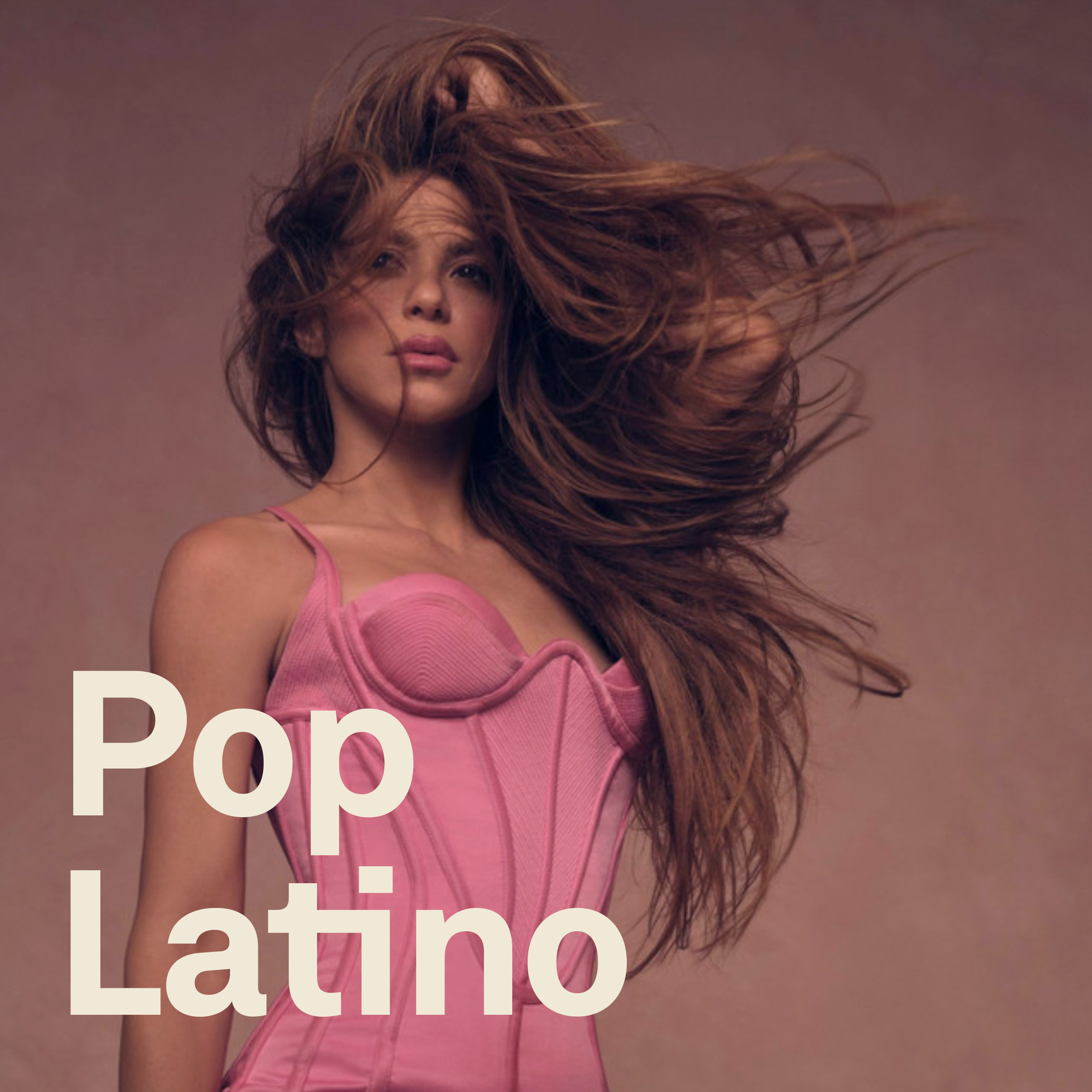
Pop Latino
Enjoy the latest hits from Latin America with tracks spanning reggaetón, bachata, trap, R&B and more. Artists include Bad Bunny, KAROL G, Daddy Yankee, Camilo, Kenia Os, Maluma, Manuel Turizo, Rauw Alejandro and Rosalía.
Instrumental Piano Covers
Pop music… but on piano! These instrumental covers provide the fun melodies of mainstream pop songs with gentle instrumentation.
Includes covers of songs like "Don't Dream It's Over," "Espresso," "I Want It That Way," "Just the Way You Are" and "Murder on the Dancefloor."

60s Pop
The decade that arguably started it all: this 1960s playlist will take you back to one of pop music's defining eras, with songs from the likes of the Beach Boys, the Four Tops, the Hollies, the Mamas & The Papas, Roy Orbison, Sonny & Cher, Dusty Springfield and the Supremes.

Soft Morning
Slow things down with this gentle morning playlist. Artists like Coldplay, Passenger, Norah Jones, Amos Lee, Ed Sheeran, Jack Johnson and John Mayer ease you into the day.

Feel-good Indie
The indie pop playlist that will make you smile. Get happy with recent indie tracks — think Olly Alexander, Craig David, Metronomy, Almost Monday, Japanese Breakfast, Benjamin Ingrosso, Patawawa and Two Year Vacation.

Why Soundtrack
Pop music is so varied and wide-ranging that there's something for everyone, whether you're into mainstream tracks you can sing along to or experimental art pop. Get to know the genre more deeply through our pop music playlists.


